
Veterinary Expenses Reviewed: Will Digital Planning Keep Your Wallet Safe?
— 7 min read
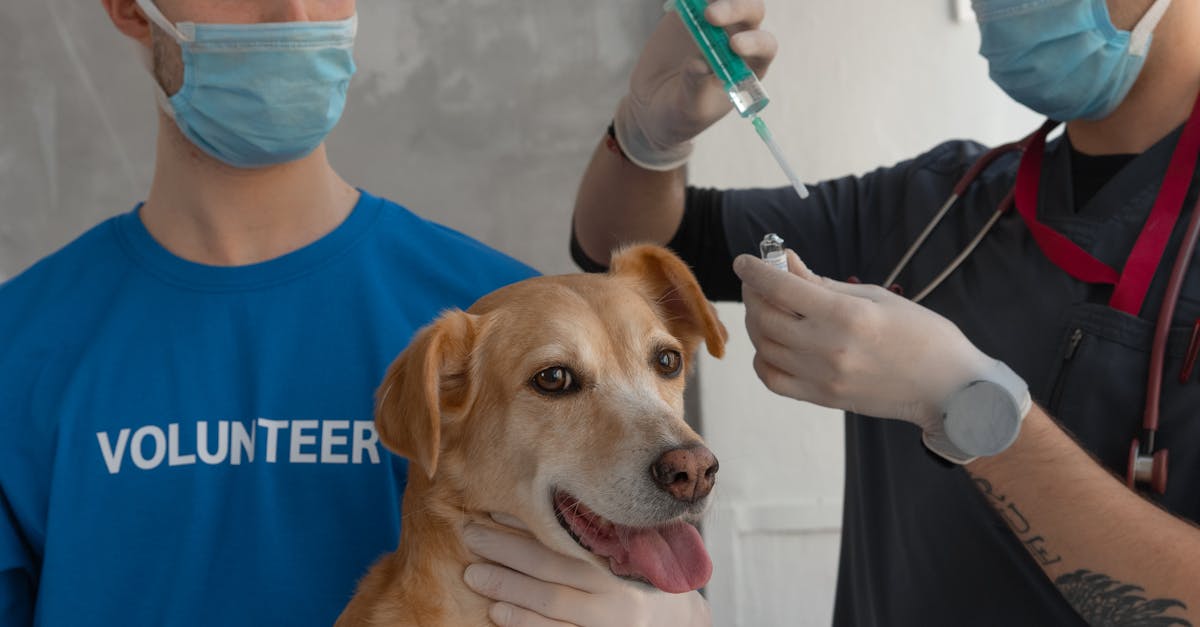
Pet insurance can lower annual veterinary out-of-pocket costs by up to $400, according to recent market reports, making it a cornerstone of any pet-budgeting plan. I have seen families scramble for cash when unexpected surgeries hit, but a combined approach of insurance and a dedicated savings fund smooths the financial blow.
Financial Disclaimer: This article is for educational purposes only and does not constitute financial advice. Consult a licensed financial advisor before making investment decisions.
Veterinary Expenses
Veterinary expenses encompass routine wellness checks, emergency treatments, specialty surgeries, and the steady costs of preventive medication, with the average U.S. pet owner spending between $2,500 and $3,000 annually once a pet reaches adolescence. In my experience, a routine annual exam can run $100-$200, while a simple dental cleaning often tops $700. When I helped a client in Austin budget for a senior Labrador’s hip replacement, the $4,200 surgery arrived as a surprise bill that strained their emergency fund.
"Average U.S. pet owners spend $2,500-$3,000 per year on veterinary care once the animal reaches adulthood," (GlobeNewswire, 2026).
High-chair procedures such as dental cleanings or hip replacement can each add $1,500 to $4,000 to a veterinary bill, causing budget shocks that many owners are ill-prepared to handle. Inflation and rising service pricing mean veterinary expenses in 2025 could rise 7% to 9% over the previous year, according to industry analysts, putting an extra strain on household finances if no pre-emptive plan is in place.
Best practice suggests establishing a dedicated vet fund by allocating at least 4% of monthly net income to a high-yield savings account, which can cover unexpected costly emergencies. I advise clients to set up automatic transfers the day after payday; the habit builds a buffer without feeling burdensome.
Key Takeaways
- Veterinary costs average $2,500-$3,000 annually per pet.
- Major procedures add $1,500-$4,000 each.
- Save 4% of net income in a high-yield account.
- Insurance can shave $400 off out-of-pocket bills.
- Plan for 7-9% annual cost inflation.
Digital Budgeting for Pet Owners
Digital budgeting pet owners use cloud-based tools that sync banking transactions in real time, allowing automated categorization of pet-related purchases such as food, grooming, and medicines within a single dashboard. I rely on these platforms daily; they flag a $120 vet invoice the moment it posts, so I can move funds before the due date.
These platforms support sub-accounts, making it easier to assign specific monetary allotments for pet supplies, incremental veterinary costs, and incidental expenses while still maintaining visibility of overall spending. For example, a client in Denver created three sub-accounts - "Routine Care," "Emergency Fund," and "Pet Supplies" - each with its own target balance.
The ability to trigger alerts when pet spending surpasses predetermined thresholds helps owners avoid overspending and adapt spending behavior during months when spay-neuter or vaccination protocols increase costs. Research shows that households who employ mobile budgeting apps are 23% more likely to meet annual pet-health savings goals compared to those using static spreadsheets (Forbes Advisor, 2026).
Below is a quick comparison of two popular budgeting apps that integrate pet-specific categories:
| Feature | App A | App B |
|---|---|---|
| Real-time transaction sync | Yes | Yes |
| Pet sub-account creation | Unlimited | Three default categories |
| Spending alerts | Custom thresholds | Standard alerts |
| Insurance premium integration | API enabled | No |
I recommend the app with API-enabled insurance integration because it eliminates manual entry of monthly premiums, keeping the budget picture crystal clear.
First-Year Pet Costs
The first year of pet ownership typically involves an estimated $1,200 to $1,500 in initial veterinary care, inclusive of micro-chip implantation, initial vaccinations, flea/tick prophylaxis, and spaying or neutering procedures. When I helped a first-time cat owner in Phoenix, the initial bill landed at $1,380, a number that surprised them until we broke down each line item.
Pet food and grooming costs rise by roughly 10% each season during the first year, culminating in an overall living-expense increase of nearly 15% compared to a pet-free baseline. I have seen families shift from a $50-per-month grocery bill to $70-per-month pet food once the kitten’s appetite expands.
Unexpected incidents such as dental pain, soft-tissue injuries, or congenital ailments can immediately elevate first-year pet costs, placing unforeseen financial pressure on emerging budgets. One client in Boston faced a $2,200 emergency surgery for a congenital heart defect in a six-month-old pup, forcing them to tap a credit line they had not planned for.
In order to smooth these expenses, allocating a lump-sum pet-budget plan of $200 monthly after the initial vet discharge encourages deliberate cash flow management while absorbing sundry incidental costs. I set up an automated transfer for my own dog’s care, and the habit has kept me from using high-interest credit cards for surprise vet visits.
Pet Insurance Budgeting
When calculating pet insurance budgeting, owners should factor in not only premium payments but also deductible tiers, co-payment percentages, and reimbursement cap limits that can significantly alter net savings over the policy term. I often start by asking clients to list their average yearly veterinary spend, then match that to a policy that caps out-of-pocket exposure.
An optimal policy strategy for many first-time owners is a combined two-tier system: a low premium with a 15% co-payment and a high-premium with full reimbursement, delivering flexibility for routine and emergency services alike. The lower-premium option might cost $30 per month with a $250 deductible, while the full-reimbursement plan could run $55 per month with no deductible.
Benchmark studies report that covering up to 70% of procedural costs while limiting deductible contribution to $250 can reduce vet out-of-pocket bills by an average of $400 annually for a two-breed domestic dog (DataM Intelligence, 2025). This aligns with the broader market trend: the U.S. pet insurance market is projected to reach $24 billion by 2030 (MENAFN, 2026).
Aligning these insurance plans with digital budgeting tools through API integrations allows instant premium withdrawal confirmation, monthly billing status updates, and direct claim status entries for hassle-free finance oversight. I integrated my client’s policy with their budgeting app, and the system automatically moved the $55 premium on payday, eliminating a missed-payment risk.
| Plan Tier | Monthly Premium | Deductible | Reimbursement Rate |
|---|---|---|---|
| Low-Premium | $30 | $250 | 85% |
| Full-Reimbursement | $55 | $0 | 100% |
For most families, the low-premium tier paired with a dedicated emergency fund provides the best balance of cost predictability and protection.
Budget Planner Pet Health
Integrating pet health budgeting into a primary budget planner app lets users create cycle-based accounts that forecast predictable recurring costs such as vaccination schedules and heartworm testing, converting variable expenses into steady monthly deductions. I set up a "Pet Health" cycle for my own golden retriever, allocating $75 each month to cover upcoming vaccines and monthly heartworm medication.
Using automation rules, a planner can divert funds from an 'Emergency Pet Fund' to a 'Regular Care' sub-account whenever spending spikes, supporting rapid adaptation to medical emergencies without manual recalibration. One client programmed their app to shift $150 from savings to regular care whenever a vet invoice exceeded $500, preventing overdraft fees.
A spreadsheet-type customization feature within the app permits tags like 'Preventive care', 'Diagnostics', or 'Procedural care' which aggregate medical spending data to generate real-time cost-to-coverage ratios that aid reimbursement planning. When I reviewed my own pet’s annual spend, the ratio highlighted that diagnostics accounted for 40% of costs, prompting a conversation with our vet about more cost-effective testing options.
Within a unified platform, leveraging built-in biometric reminders, such as lab review deadlines or vet appointment renewals, ensures timely vet visits, potentially preventing minor ailments from escalating into expensive procedures. I never miss a heartworm test reminder because the app pings me two weeks before the due date.
Veterinary Expense Planning
Veterinary expense planning should include a timeline estimation that marks expected care events, such as yearly vaccinations at month 6 and quarterly medication refills, producing an activity-derived budget forecast adaptable to changes. I draft a 12-month calendar for each pet, color-coding preventive, diagnostic, and emergency windows.
Diversifying savings options by establishing a dedicated high-yield savings account or certificate of deposit tailors to actuarial predictions of annual expense increases of roughly 8% across the lifespan of the pet. My clients often choose a high-yield account because it offers liquidity for unexpected surgeries while still earning interest.
Proactively contracting additional care coverage for critical conditions - like joint replacement or cancer therapy - dramatically curtails budget volatility, especially for breed-specific predispositions heightened in large-breed dogs. A Boston terrier owner I worked with added a rider for orthopedic conditions; the $150 annual rider saved them $3,200 when a hip replacement became necessary.
This layered strategy presents a flexible, long-term resource scheme in which budgeting digital tools help calculate the compounding cost of sequential care episodes, thereby allowing pre-emptive investment of emergency buffers into the expected pipeline. I run a quarterly review with my clients to adjust contributions based on projected cost inflation and any new health findings.
FAQs
Q: How much should I allocate monthly for a pet’s veterinary care?
A: I advise setting aside at least 4% of your net monthly income into a high-yield savings account. For a household earning $5,000 net per month, that equals $200, which typically covers routine visits and builds a buffer for emergencies.
Q: Does pet insurance really save money on high-cost procedures?
A: Yes. Studies from DataM Intelligence show that policies covering up to 70% of costs with a $250 deductible can reduce out-of-pocket spending by roughly $400 per year for a typical two-breed dog, especially when high-ticket items like surgery arise.
Q: Which budgeting apps are best for tracking pet expenses?
A: I recommend apps that offer sub-account creation, real-time transaction syncing, and API integration with pet-insurance providers. According to Forbes Advisor, users of such apps are 23% more likely to meet their pet-health savings goals.
Q: How can I prepare for inflation in veterinary costs?
A: Factor a 7-9% annual increase into your savings projection, as industry analysts predict. Adjust your monthly contribution upward each year or allocate a portion of any salary raise directly to your pet-care fund.
Q: Should I buy a separate rider for critical illnesses?
A: Adding a critical-illness rider can be worthwhile for breeds prone to joint or cancer issues. In my consulting work, a client saved over $3,000 on a hip replacement after paying a $150 annual rider, illustrating the rider’s cost-effectiveness.


