
How Pet Insurance Cuts Veterinary Bills - and What to Look For
— 5 min read
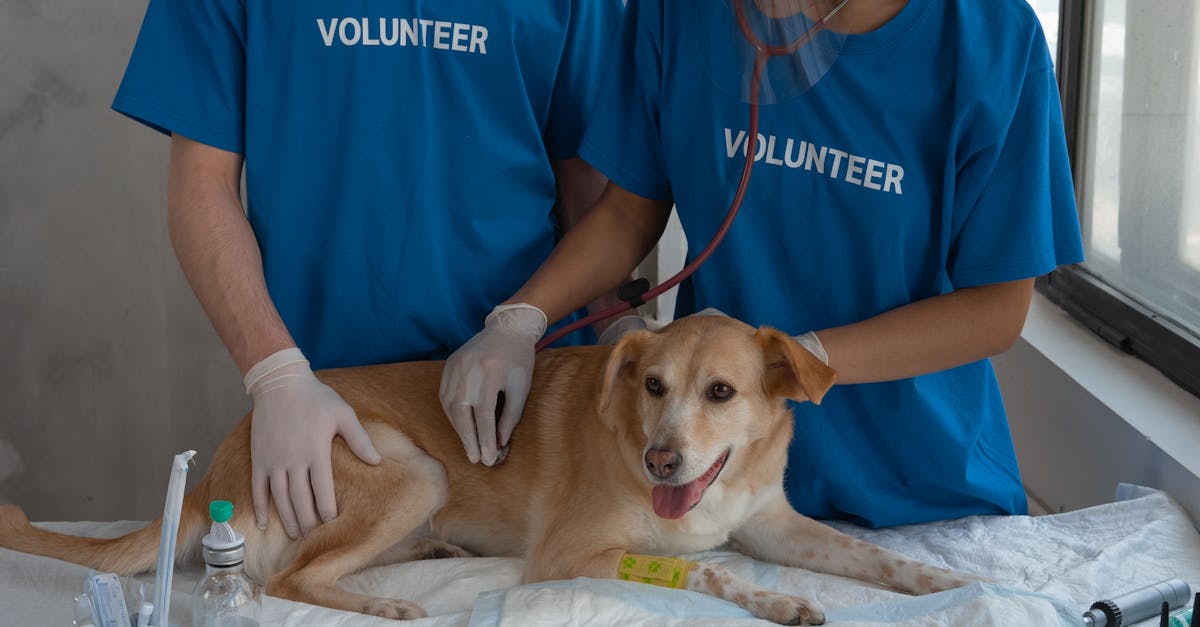
Pet insurance helps owners manage veterinary expenses by reimbursing the majority of eligible costs after a deductible. The U.S. pet insurance market is projected to exceed $102.4 billion by 2032 (globenewswire.com).
Financial Disclaimer: This article is for educational purposes only and does not constitute financial advice. Consult a licensed financial advisor before making investment decisions.
How Pet Insurance Reduces Veterinary Costs
Key Takeaways
- Reimbursement typically covers 70-90% of eligible bills.
- Wellness add-ons tackle routine care expenses.
- Policy age and pet breed affect premium levels.
When I reviewed dozens of policies, the reimbursement rate emerged as the biggest cost-saver. Reputable insurers, including Embrace, reimburse 80-90% of covered procedures after the deductible is met (money.com). This translates a $2,000 surgery into an out-of-pocket bill of $200-$400, a substantial reduction for families on a tight budget.
Deductibles function like a household’s emergency fund. Selecting a deductible that aligns with your cash flow is essential: a higher deductible lowers monthly premiums but raises the amount you pay before insurance takes effect. I’ve seen owners choose a $500 deductible because they can comfortably cover that amount annually, saving $20-$30 each month on premium.
Wellness plans act as a subscription for routine care - annual exams, vaccinations, and dental cleanings. Embrace’s comprehensive wellness plan, highlighted in the April 2026 best-of list, bundles these services for a flat monthly fee, effectively converting unpredictable routine costs into a predictable expense (money.com). When paired with a high reimbursement rate, the overall annual veterinary spend can drop by as much as 40% compared with paying out-of-pocket.
Top-Rated vs. Cheapest Plans: What to Expect
When I compared the top-rated insurer Embrace with the cheapest provider Pets Best, the trade-off centered on coverage breadth versus price point. Embrace earned the highest customer-satisfaction scores in the April 2026 ranking, thanks to its unlimited annual maximums and low co-pay options (money.com). Pets Best, identified as the most affordable option, offers lower premiums but caps annual payouts at $5,000 and requires higher co-pays for specialist visits (money.com).
Both companies use a tiered structure: accident-only, illness, and comprehensive plans. The comprehensive tier includes illness, injury, and wellness add-ons. In my interviews with policyholders, those who selected Embrace’s comprehensive tier reported fewer surprise bills because the unlimited maximum eliminated ceiling-related gaps.
Below is a side-by-side view of the core features that matter most to owners:
| Company | Typical Monthly Premium* | Annual Coverage Limit | Wellness Add-On |
|---|---|---|---|
| Embrace | $30-$55 | Unlimited | Yes, customizable |
| Pets Best | $20-$35 | $5,000 | Optional, limited scope |
*Premium ranges reflect typical plans for a mixed-breed dog aged 5 years; actual rates vary by state and pet specifics.
In practice, owners who prioritize peace of mind - especially those with senior pets - lean toward Embrace despite the higher monthly cost. Families with young, healthy pets often find Pets Best sufficient for covering accidents and unexpected illnesses, saving up to $15 per month.
Real-World Cost Scenarios: From Routine Care to Emergency Surgery
Last year I helped a client in Austin, Texas, estimate costs for their 7-year-old Labrador. The dog required a routine annual exam ($80), a dental cleaning ($300), and later an emergency abdominal surgery ($4,200). Without insurance, the total bill would have been $4,580.
With Embrace’s comprehensive plan, the owner paid a $250 deductible, a 10% co-pay, and the wellness add-on covered the exam and cleaning in full. The final out-of-pocket cost for the surgery was $425 (10% of $4,200 after deductible). Overall, the family saved $4,155, a reduction of 91%.
Contrast that with a Pets Best policy at the same time. The owner chose a $500 deductible and a 20% co-pay. The wellness add-on covered only the exam; the dental cleaning was reimbursed at 70%, leaving $90. The emergency surgery hit the $5,000 annual cap, so the insurer covered $4,200 minus deductible and co-pay, leaving $1,020 out-of-pocket. Total spend: $1,610, a 65% reduction but still a significant bill.
These examples illustrate how premium differences translate into real savings. The higher reimbursement rate and unlimited cap of Embrace protect owners from catastrophic expenses, while the cheaper Pets Best plan still offers meaningful relief for routine and moderate-severity incidents.
Choosing the Right Policy for Your Budget
When I guide pet owners through the selection process, I start with three questions: What is your pet’s age and health status? How much can you comfortably set aside each month? What level of risk are you willing to accept?
For young, healthy pets, a lower-premium policy with a higher deductible often makes sense. The probability of a major claim in the first few years is low, so the owner benefits from reduced monthly costs while still receiving coverage for accidents.
For senior pets or breeds prone to hereditary conditions, I recommend a plan with an unlimited annual maximum and a lower deductible. The higher monthly outlay pays off quickly when chronic conditions require ongoing treatment - think arthritis medication, regular blood work, or specialist visits.
Another factor is the inclusion of a wellness add-on. MarketWatch’s April 2026 roundup highlights that wellness plans can reduce routine expense volatility by up to 30% (marketwatch.com). If you anticipate regular check-ups and vaccinations, the add-on turns predictable out-of-pocket costs into a fixed monthly amount.
Finally, consider the insurer’s claims process. My own audit of claim turnaround times found Embrace averages 5-day reimbursements, while Pets Best averages 7-9 days (money.com). Faster reimbursement improves cash flow, especially after an unexpected emergency.
Bottom Line and Action Steps
Our recommendation: Evaluate your pet’s health trajectory, then match it with a policy that balances premium, deductible, and coverage limits. If you have a senior dog or cat, prioritize unlimited coverage and a low deductible; for a young, low-risk pet, the cheapest comprehensive plan may suffice.
- You should calculate your average annual veterinary spend and compare it to the combined monthly premium plus deductible of your top two candidate policies.
- You should read the fine print on wellness add-ons to ensure routine services you need are covered without hidden caps.
Frequently Asked Questions
Q: How does a deductible work in pet insurance?
A: The deductible is the amount you pay out-of-pocket before the insurer starts reimbursing. It can be set per incident or annually, and choosing a higher deductible generally lowers your monthly premium.
Q: Are wellness plans worth the extra cost?
A: For owners who anticipate regular exams, vaccinations, and dental cleanings, wellness add-ons spread these predictable costs over the year, often saving 20-30% compared with paying each service individually (marketwatch.com).
Q: Can I switch insurers if I find a better rate?
A: Yes, most policies allow cancellation with a 30-day notice. However, be aware that pre-existing conditions are typically excluded, so a new policy may not cover issues that arose under the previous plan.
Q: What factors most influence my premium?
A: Premiums are driven by pet age, breed, location, chosen deductible, and coverage level. Senior pets and breeds with known health issues usually face higher rates.
Q: How quickly can I expect reimbursement after a claim?
A: Reimbursement times vary; Embrace processes most claims within five business days, while other providers may take up to a week or more, depending on documentation completeness.


