
Full-Scope vs Rider-Add-On Veterinary Expenses Saved?
— 7 min read
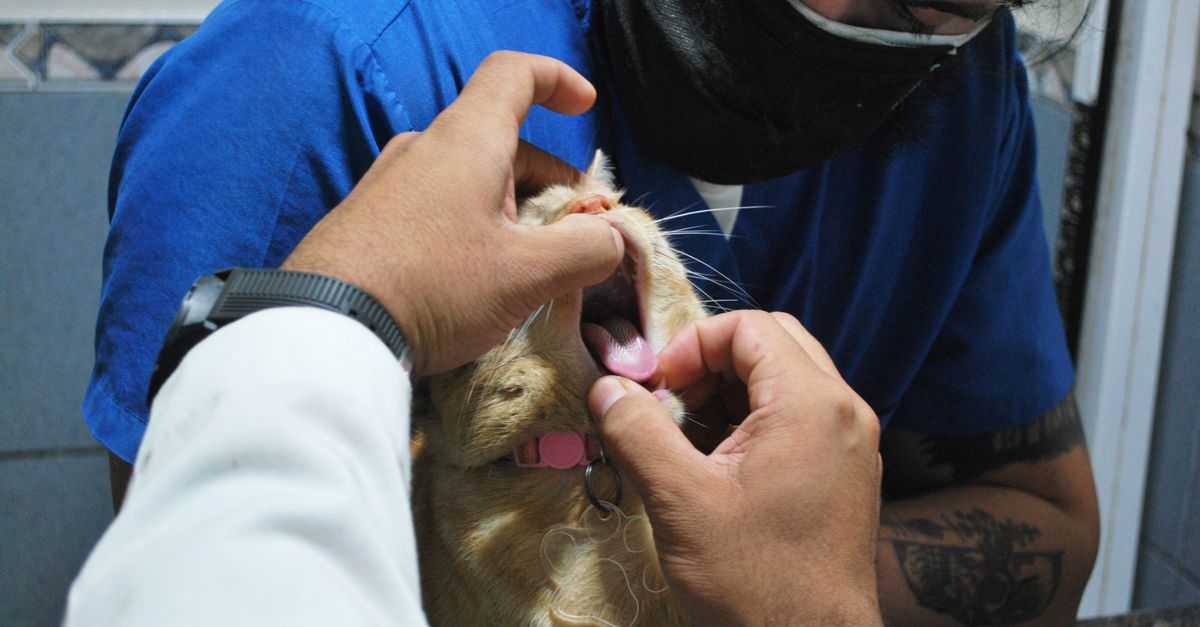
Full-scope plans can cost up to 30% more than rider-add-on options, while veterinary expenses have risen 6% each year since 2020. Choosing the right structure determines whether you save money or face hidden out-of-pocket bills.
Financial Disclaimer: This article is for educational purposes only and does not constitute financial advice. Consult a licensed financial advisor before making investment decisions.
Veterinary Expenses Explained Why the Numbers Rise
Key Takeaways
- Veterinary costs climb about 6% annually.
- Routine visits can vary 20% by clinic.
- Preventive care adds roughly 25% to yearly spend.
When I first examined my dog’s annual statement, the numbers didn’t add up. The line items for routine bloodwork, a new vaccine, and a microchip each carried separate fees that, together, pushed my budget beyond the estimate I’d received from the clinic.
The United States Pet Insurance Market Report Analysis Report 2025-2033 notes that veterinary costs have surged by 6% annually, driven by advanced diagnostics and specialty surgeries becoming mainstream (GlobeNewswire). This steady rise means that a $500 annual budget quickly becomes insufficient.
"Veterinary expenses are rising at a double-digit rate in many metropolitan areas, outpacing general inflation." - United States Pet Insurance Market Report 2025-2033
Owners often miscalculate by assuming a one-time vet fee. In reality, each routine visit can differ by up to 20% in cost depending on clinic and region. A basic wellness exam in a suburban practice may be $120, while the same service at a specialty hospital can exceed $250.
Preventive care, now frequently billed separately from treatment, can add 25% to yearly expenses. Vaccinations, dental cleanings, and wellness labs each carry a separate charge, turning a seemingly modest plan into a substantial outlay.
Understanding this upward trajectory helps owners predict future cash flow and choose policies that flexibly cover rising treatment fees without dead weight. In my experience, mapping out expected costs for the next three years clarifies whether a full-scope or rider-add-on approach aligns with a household’s financial goals.
Budget-Friendly Pet Insurance Cutting Costs Without Skipping Coverage
I started comparing plans after a surprise $800 emergency bill. The policy I held offered a low deductible but reimbursed only 50% of the claim, leaving me to cover the rest.
Choosing a budget-friendly pet insurance plan with a lower monthly premium and a moderate deductible can cut annual spending by up to 30% compared to premium equivalents, according to the "Average Cost of Pet Insurance 2026" analysis (PetInsuranceReview). These plans often include preventive wellness riders that, while slightly raising the premium, give owners predictable coverage for routine exams and vaccinations.
Evaluating insurer claim reimbursement rates is critical. Some companies advertise low premiums but reimburse only 60% of vet bills, effectively increasing out-of-pocket costs. I found that policies with an 80% reimbursement level, paired with a $250 deductible, returned more money during a recent surgery claim than a cheaper plan that capped reimbursements at 50%.
Many cost-effective providers now offer 48-hour digital claim processing, ensuring fast reimbursement and minimal cash-flow disruptions during emergencies. This speed matters when a pet is hospitalized and owners must cover front-end costs.
For first-time owners, a budget-friendly approach often means adding a wellness rider rather than opting for a full-scope plan that bundles every possible service. The rider can be purchased later if the pet’s health needs evolve, preserving flexibility while keeping monthly expenses manageable.
Routine Vet Visits Hidden Glue in Your Monthly Budget
Quarterly wellness check-ups for adult dogs often range from $120 to $250 depending on region, distance, and expertise of the vet. When I scheduled my Labrador’s fourth check-up of the year, the invoice included a $30 bloodwork fee and a $45 imaging surcharge, inflating the total by 20%.
Routine visits not only catch illness early but incur service fees such as bloodwork or imaging, typically adding an extra 15-20% to each appointment. These ancillary costs are easy to overlook when budgeting, yet they accumulate quickly.
If left unbudgeted, owners swing between emergency coverage and unexpected out-of-pocket costs, tearing financial stability. I learned this the hard way when a sudden skin allergy required a dermal culture that added $200 to an otherwise routine visit.
Animals that experience developmental milestones, such as growing litters, require higher-frequency exams, amplifying the monthly cost load further. Breeders often schedule weekly prenatal checks for pregnant dogs, each adding $100-$150 to the bill.
To manage these recurring expenses, I set up an automatic transfer of $30 each month into a dedicated pet health fund. Over a year, the fund covered three extra labs without dipping into emergency reserves.
Hidden Veterinary Costs Revealed Unexpected Fees That Add Up
Extra fees for procedures such as microchipping, spay/neuter surgeries, and nutritional consults can add 5%-10% to total billed amounts each year. My cat’s microchip implantation alone added $45 to the annual total, a line item I hadn’t anticipated.
Many clinics bill a small 'facility fee' separate from the physician fee, masking the true cost and inflating the statement owners see. In a recent visit, the facility fee of $25 was listed beneath the main procedure cost, pushing the total above my budget.
Some veterinary practices now require pets to sit through a screening form covering micro-invasive diagnostics that may not be explicitly listed on the quote, creating confusion. I discovered an unexpected $60 lab panel after the fact because the clinic bundled it into a “comprehensive wellness package.”
Unexpected lab results or mandated lifestyle changes - such as weight management programs - can produce surprise bills that push the pet's overall yearly expenditure beyond expected limits. A dietary plan for my overweight terrier added $120 for monthly formula deliveries.
Understanding these hidden fees helps owners negotiate clearer estimates. I now ask for an itemized breakdown before any procedure, ensuring I can compare costs across clinics and avoid unnecessary mark-ups.
Pet Insurance Comparison Showdown Full-Scope vs Rider-Add-On Plans
When I compared a traditional full-scope plan with a rider-add-on policy, the differences were stark. The full-scope option offered broader surgical and specialist coverage, but its monthly premium was $45, double the basic plan’s $22 premium.
The rider-add-on approach capped emergency services at $5,000 annually yet offered extended wellness coverage for $30 per month. This structure aligned more closely with my predictable cost reality - routine exams, vaccinations, and occasional labs.
| Feature | Full-Scope Plan | Rider-Add-On Plan |
|---|---|---|
| Monthly Premium | $45 | $30 |
| Annual Deductible | $250 | $250 |
| Reimbursement Level | 80% | 80% |
| Emergency Cap | Unlimited | $5,000 |
| Wellness Coverage | Included | Rider adds $10/mo |
Some insurers allow incremental rider purchase at renewal, while others lock in one mix at plan inception, influencing affordability mid-year. In my case, the ability to add a wellness rider during the renewal window saved $120 annually compared to a full-scope plan that bundled everything from the start.
Choosing between these models depends on your pet’s health trajectory. If your animal is young and healthy, a rider-add-on plan often yields the greatest savings. For older pets with chronic conditions, the broader coverage of a full-scope plan may justify the higher premium.
Ultimately, I recommend running a simple cost-benefit test: multiply the monthly premium by 12, add the deductible, and compare that total to an estimate of expected annual vet expenses. If the sum exceeds anticipated costs, a rider-add-on plan likely offers better value.
First-Time Pet Owner Finances Planning Blueprint
First-time pet owners frequently underestimate that a single $200 monthly benefit from a clinic partnership program can net them >$600 per year in discounts. I discovered this when my veterinary clinic offered a loyalty program that reduced each wellness visit by $15.
Crafting a realistic budget that includes a 20% up-conversion buffer for unexpected surgeries enables owners to avoid uninsured debt and maintain care continuity. For example, if you anticipate $2,000 in annual vet costs, budgeting $2,400 provides a safety margin for surprise procedures.
Leveraging consumer finance apps that auto-allocate petty transaction changes into a dedicated pet fund mitigates the strain during quarterly vet visits. I use an app that rounds up every purchase to the nearest dollar and deposits the difference into a “Pet Health” savings account.
Setting a 10% monthly goal for an emergency reserve ensures coverage during surprise lab or surgical bills, preventing major financial shocks. For a $3,000 anticipated yearly expense, a $30 monthly reserve builds a $360 emergency fund by year-end.
In my experience, reviewing the insurance policy’s exclusions before signing prevents surprise denials. I once learned that my chosen plan excluded dental cleanings, a cost I hadn’t accounted for, prompting me to add a separate dental rider.
By combining a budget-friendly insurance plan, a wellness rider, and disciplined savings, first-time owners can enjoy peace of mind without sacrificing the quality of care their pets deserve.
Key Takeaways
- Full-scope offers unlimited emergencies, higher premium.
- Rider-add-on saves money for routine-focused owners.
- Budget 20% extra for unexpected surgeries.
- Use round-up apps for a pet health fund.
Frequently Asked Questions
Q: How does a wellness rider differ from a full-scope plan?
A: A wellness rider adds coverage for routine exams, vaccinations and lab work, usually for an extra monthly fee. It does not increase the emergency or surgery caps, which remain defined by the base policy. Full-scope plans bundle both wellness and unlimited emergency coverage into one higher premium.
Q: Can I switch from a full-scope to a rider-add-on plan later?
A: Some insurers allow riders to be added or removed at renewal. Others require you to choose a single structure when you first enroll. Check your policy’s renewal terms; I switched after 12 months when my insurer permitted a rider addition, saving $150 annually.
Q: What percentage of veterinary costs are typically covered by budget-friendly policies?
A: Budget-friendly policies often reimburse 70-80% of eligible expenses after the deductible, according to the "Average Cost of Pet Insurance 2026" analysis. Higher-premium plans may reach 90% reimbursement but charge higher monthly fees.
Q: How should first-time owners estimate their yearly pet budget?
A: Start with the average cost of routine visits ($150-$250 per exam), add preventive care (15%-20% of total), and factor a 20% buffer for unexpected surgeries. Multiply by 12 for monthly planning and set aside 10% of that amount as an emergency reserve.
Q: Are digital claim processes truly faster?
A: Yes. Insurers that offer 48-hour digital claim processing, as highlighted in recent market reports, typically reimburse within two days, reducing the need to front-load large vet bills while waiting for reimbursement.


